
Introduction
The agricultural sector holds immense importance in the growth and development of any country. It not only provides sustenance for the population but also contributes significantly to the economy. In recent times, however, there have been challenges faced by farmers that hinder their productivity and income growth. In this blog, we will discuss some of the key issues highlighted in a recent speech, without mentioning the source of the information. Let's delve into the challenges faced by the agricultural sector and the measures proposed to address them.
Stagnant Budget Allocations
Over the past decade, the budget allocation for the agricultural sector and rural development has seen a compound annual growth rate (CAGR) of 12%. However, when we analyze the actual numbers, there has only been a marginal increase of 4.7% in the overall allocation. Last year, the sector received 3.36% of the total allocation, but this year the allocation has been reduced to just 2.7%. This decrease raises concerns about the government's commitment to doubling farmers' income by 2022.
Focus on Private Investment and Startups
The speech seemed to tilt more towards private investment and startups rather than addressing the challenges faced by farmers directly. The agriculture credit target has been increased, with a specific focus on sectors such as animal husbandry, dairies, and fisheries. To initiate this, the government plans to computerize 63,000 primary agricultural credit societies with a significant investment. However, the fertilizer subsidy has been reduced by 22.2% due to a drop in global rates, impacting farmers' access to affordable fertilizers.
Reduction in Price Support Allocation
The budget also witnessed a significant reduction in the allocation for the Market Intervention Scheme and price support. The allocation was reduced from 1500 crore to just 1 lakh rupees, indicating almost a hundred percent cut. This reduction affects minimum support price-based procurement operations in the country. Additionally, schemes like the PM Asha scheme, which aimed to enhance the productivity of extra-long staple cotton, also saw a reduction in allocation.
Efforts Towards Public-Private Partnerships
To enhance productivity and market linkages, the government plans to adopt a cluster-based and value chain approach through public-private partnerships. This approach aims to collaborate between farmers, the state, and the industry for input supplies, extension services, and market linkages. Additionally, efforts will be made to boost the availability of disease-free quality planting material for high-value horticultural crops through an investment of 2200 crore.
Promoting the Millet Economy
Recognizing the importance of diversifying crops, the budget focuses on promoting the millet economy. The Indian Institute of Millets Research will be upgraded as a center for excellence, further driving research and development in this sector. This initiative aims to tap into the potential of millets and promote their cultivation, which can contribute to food security and nutritional balance in the country.
Role of Technology in Agriculture
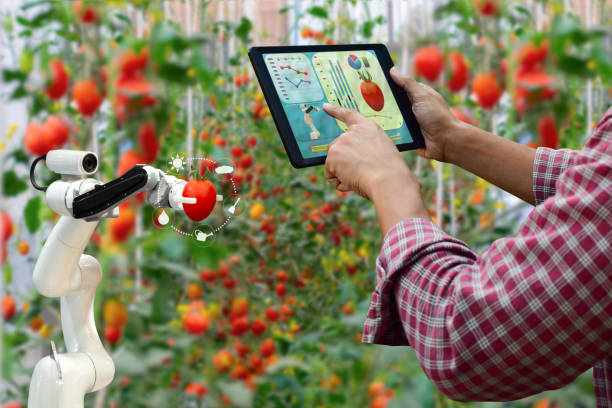
The speech emphasized the role of technology in transforming agricultural practices. An agricultural accelerator fund will be established to fund startups by entrepreneurs in rural areas, encouraging the adoption of modern technology. This fund aims to catalyze startup interest in the agricultural sector. Additionally, a digital public infrastructure for agriculture will be developed, focusing on crop estimation and improving production through open-source solutions.
Addressing Infrastructural Gaps
To address the infrastructural gaps in the agricultural sector, the government plans to develop a national cooperative database and set up decentralized storage capacity. These initiatives aim to facilitate the establishment of fisheries farms, dairy cooperative societies, and storage facilities in uncovered villages over the next five years. These efforts will support farmers in improving their productivity and accessing market opportunities.
Concerns about Budget Allocations
Experts express concern over the reduction in allocations to farmers while new funds are being announced. This trend of making headlines with loan and credit announcements raises questions about the long-term sustainability of the measures. Farmers require comprehensive support that directly addresses the core issues of increasing productivity and income growth.
Encouraging Sustainable Farming Practices
To promote environmentally friendly farming practices, the government plans to establish 10,000 bio-input resource centers. These centers will create a national-level micro-fertilizer and pesticide manufacturing network, encouraging farmers to adopt natural farming methods. Additionally, the PM Pranam scheme will incentivize states to reduce the use of chemical fertilizers, promoting sustainable agricultural practices.
Promoting Renewable Energy Sources
To harness the potential of renewable energy in the agricultural sector, the Gobardhan scheme will promote 200 CNG gas plants that utilize cow dung and other agricultural and livestock waste. This initiative aims to not only address waste management but also provide an alternative and sustainable energy source for farmers.
Conclusion
The challenges faced by the agricultural sector are multifaceted, and addressing them requires a comprehensive approach. While the recent speech highlighted certain measures, concerns remain about the allocation of funds and the long-term impact on farmers' income growth. Initiatives focusing on public-private partnerships, technology adoption, and sustainable farming practices show promise in transforming the agricultural landscape. By addressing the core challenges, the government can pave the way for a resilient and prosperous agricultural sector in the country.